Many people ignore early signs of poor posture until discomfort starts affecting daily life. What begins as mild stiffness or fatigue can gradually develop into long-term musculoskeletal issues. Over time, poor posture may contribute to conditions that require therapies such as bone alignment therapy, Dorn therapy, or stress and strain treatments.
From an Ayurvedic perspective, proper alignment of bones and joints is essential for balanced muscle movement, nerve function, and healthy circulation. When posture remains poor for long periods, it disrupts this balance, leading to back pain, neck stiffness, and joint discomfort. Let’s explore how posture impacts your body and how Ayurveda supports long-term structural health.
What Is Posture and Why Is It Important?
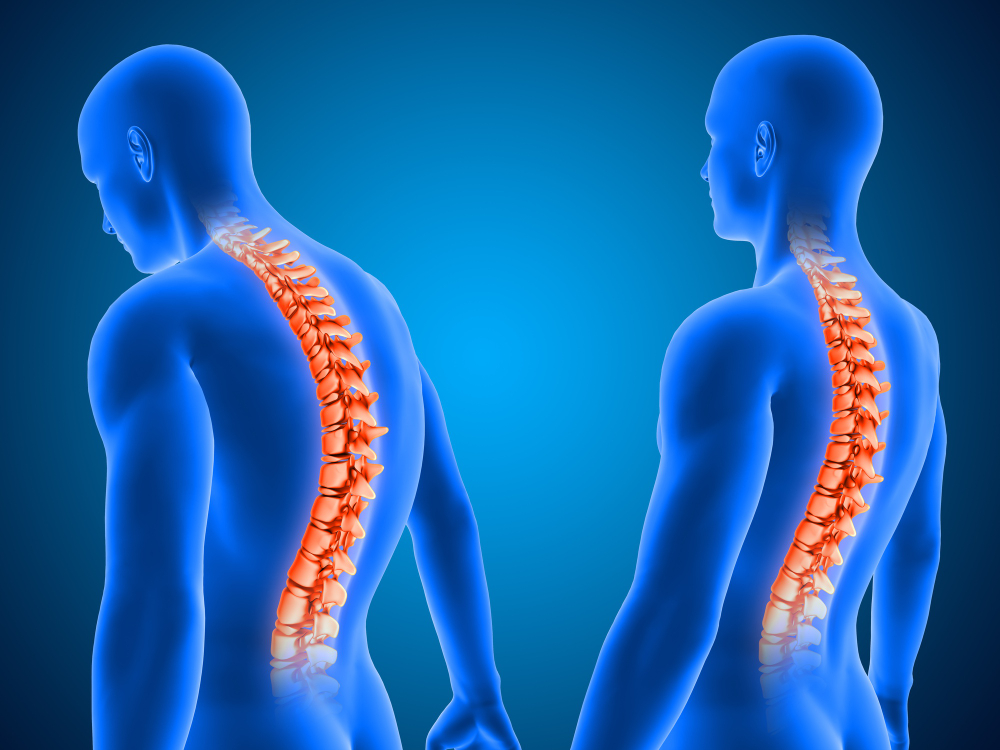
Posture refers to how you hold your body while sitting, standing, or moving. Good posture keeps the skeleton properly aligned, reducing strain on muscles and joints.
A balanced posture allows for:
Even weight distribution across joints
Less muscle tension and fatigue
Reduced compression on nerves
In Ayurveda, proper posture helps maintain musculoskeletal stability and reduces the risk of problems that may later require Ayurvedic treatment for back pain or neck pain.
Why Poor Posture Is So Common Today
Modern lifestyles play a major role in posture imbalance.
Long hours of sitting and screen use
Slouching while working
Putting weight on one side of the body
Too much activity without proper rest
Lack of regular movement
Postural problems often develop silently. The body adapts to misalignment, creating structural stress that slowly turns into chronic strain on muscles and joints.
How Ayurveda Understands Posture and Alignment
In Ayurveda, posture and structural alignment are governed by Vata dosha, which controls movement, coordination, and nerve function. When posture is poor, Vata becomes aggravated, leading to stiffness, instability, dryness in joints, and irregular movement.
Prolonged imbalance can interfere with muscle coordination, joint mobility, nerve signaling, and circulation. These disturbances are often underlying causes of conditions addressed through Ayurveda bone alignment therapy and Dorn therapy.
How Poor Posture Affects Muscles, Joints, and Nerves
Muscle Imbalance: Some muscles overwork while others weaken, leading to fatigue and chronic tension.
Joint Stress: Uneven pressure on the spine, hips, and knees can lead to long-term joint issues.
Nerve Compression: Misaligned structures may compress nerves, causing tingling, numbness, or radiating pain.
Reduced Circulation: Tight muscles restrict blood flow, slowing healing and nourishment of tissues.
Why Posture Problems Become Chronic
The body adapts to poor posture over time, making misalignment habitual. Without early correction, compensatory movements develop, creating deeper structural imbalances. Ayurveda emphasizes early awareness and correction to restore natural balance before chronic conditions develop.
Ayurvedic Approach to Supporting Healthy Posture
Ayurveda supports posture through a holistic approach rather than forceful correction.
Improving posture awareness
Enhancing flexibility in muscles and joints
Redistributing daily physical stress
Encouraging natural alignment through balanced movement
Simple Daily Habits That Support Good Posture
Take breaks from long sitting every few hours
Maintain proper sitting and standing alignment
Support your lower back while sitting and sleeping
Avoid repetitive strain without stretching
Practice gentle daily movement or stretching
Conclusion
Poor posture develops gradually but can have long-term effects on musculoskeletal health. Ayurveda focuses on awareness, balance, and prevention to stop minor imbalances from becoming chronic problems. By improving posture and supporting the body’s natural alignment, you can reduce strain, protect your joints, and maintain long-term physical stability.



 +91-8078508884